 Call

Speeding remains one of the leading causes of car accidents in Texas, contributing to a significant portion of traffic fatalities and serious injuries. According to the Texas Department of Transportation (TxDOT), in 2022, speeding was a factor in over 162,000 crashes, resulting in 1,469 deaths across the state. This marks a worrying trend, as speed-related fatalities have increased in recent years, with approximately 34% of all traffic deaths in Texas linked to speeding.
The impact of speeding goes beyond simply exceeding the posted speed limit. It includes driving too fast for conditions, such as in heavy traffic or poor weather, which reduces reaction time and increases the severity of crashes. TxDOT’s “Be Safe. Drive Smart.” campaign continues to emphasize the importance of observing speed limits and adjusting driving habits to road conditions to help reduce these preventable deaths.
In addition, the AAA Foundation for Traffic Safety notes that higher speed limits can lead to more frequent and severe crashes, reinforcing the need for drivers to match their speed to road conditions, not just posted limits.
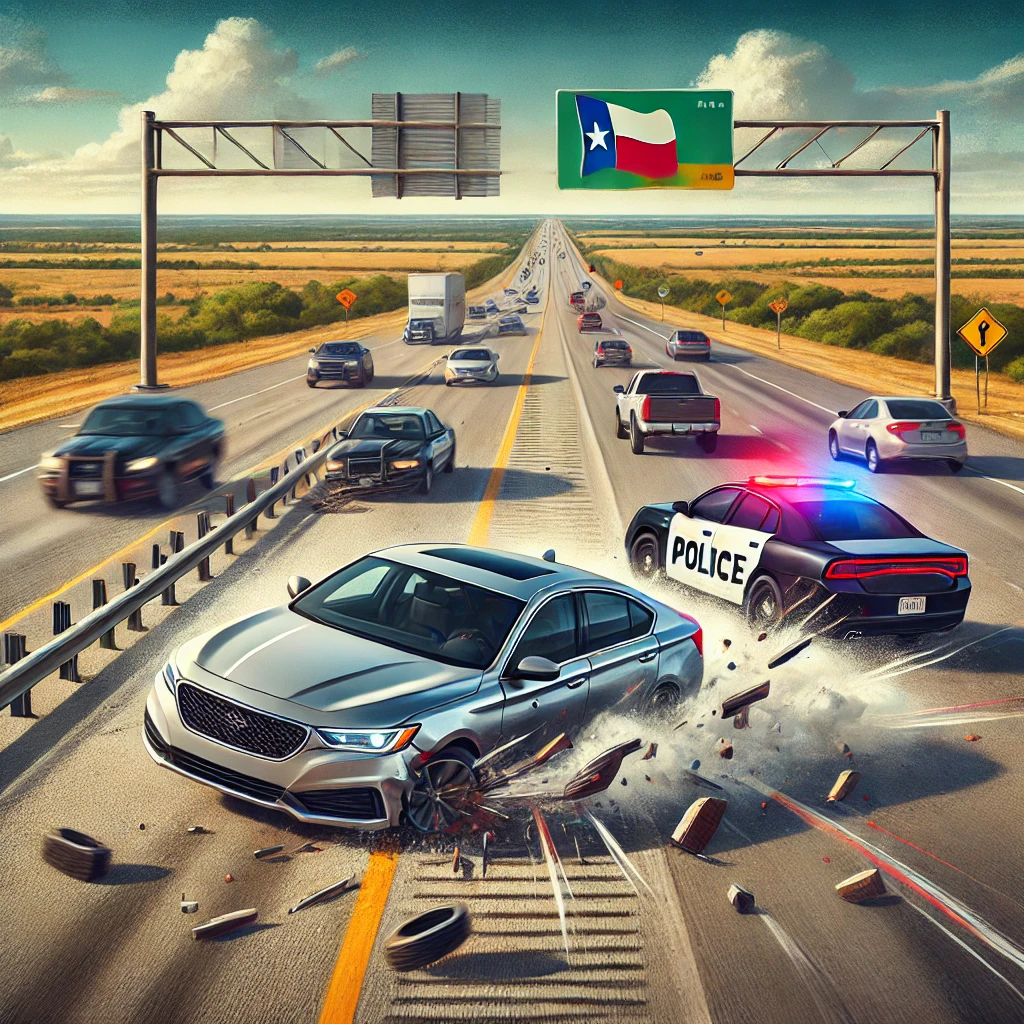
Is TxDOT’s Be Safe. Drive Smart. Program Helping Prevent Speeding Accidents
The “Be Safe. Drive Smart.” campaign by the Texas Department of Transportation (TxDOT) has made strides in raising awareness of safe driving practices, but its success in significantly reducing accidents is mixed. The campaign emphasizes crucial safety tips for all road users, including drivers, pedestrians, and cyclists, especially in high-risk areas like work zones and busy intersections.
While the campaign has successfully brought attention to speeding, distracted driving, and pedestrian safety, the state continues to face challenges. Speeding remains the top cause of accidents, contributing to over 160,000 crashes and more than 1,400 fatalities in 2022. Additionally, pedestrian and cyclist deaths have surged by 30% and 28%, respectively, over the past five years.
TxDOT’s efforts are part of a broader initiative, #EndTheStreakTX, which aims to end daily fatalities on Texas roads. The campaign utilizes social media, public service announcements, and on-the-ground activities to spread the message, though the persistence of high crash rates suggests that more stringent enforcement and community engagement may be needed.
Despite ongoing efforts, the campaign has not yet reached its goal of significantly lowering fatal accident rates, but it continues to push for better awareness and behavior changes among Texas drivers.
Speeding Accident FAQs
Why are speeding accidents so dangerous?
Higher speed gives a driver less time to react, lengthens stopping distance, and greatly increases the force of impact. That is why speeding crashes are more likely to cause traumatic brain injuries, spinal cord injuries, and deaths. TxDOT lists speeding among the leading contributing factors in Texas traffic fatalities.
Is a speeding driver automatically at fault for a crash in Texas?
Not automatically, but speeding is strong evidence of negligence. Texas Transportation Code §545.351 requires drivers to travel at a speed that is reasonable and prudent for conditions, even below the posted limit in rain, fog, or traffic. Fault is decided on all the evidence, and Texas’s comparative fault rule may divide responsibility between drivers.
How do you prove another driver was speeding?
Proof can come from the police report, skid marks and crash reconstruction, vehicle event data recorder downloads, dash cam or traffic camera footage, and eyewitness testimony. Some of this evidence is lost or overwritten quickly, so it is important to have a lawyer send preservation letters soon after the crash.
What should I do after being hit by a speeding driver?
Call 911, get medical care, and make sure police document the crash. Photograph vehicle damage, road conditions, and the scene, and collect witness contact information. Avoid giving a recorded statement to the speeding driver’s insurer until you have talked with an injury lawyer at 888-222-9746.
Can I get punitive damages from a driver who was racing or excessively speeding?
Possibly. Texas allows exemplary damages when there is clear and convincing evidence of gross negligence, meaning the driver knew of an extreme risk and consciously ignored it. Street racing or extreme speeding may meet that standard. Exemplary damages are capped under Civil Practice and Remedies Code §41.008 and require a unanimous jury.
General information about Texas law, not legal advice. For a free injury case review, call 888-222-9746.
WE'RE HERE TO HELP YOU!
SHARE YOUR STORY WITH US NOW!
Enter your information to start your free
case review with no obligation.
"*" indicates required fields